How Formalwear Alterations Improve the Final Fit
Formalwear alterations begin with an inspection of the garment construction, fabric condition, seam allowances, and the fit you want to achieve. This review helps determine what can be adjusted and what should remain unchanged so the garment keeps its intended shape.
For suits and other occasionwear, the most common refinements include jacket fit adjustment, trouser length correction, sleeve adjustment, and refitting at the waist or side seams. Each step is planned around the garment itself, so the alteration scope is clear before work begins.
Measured adjustments can make a suit or dress look sharper without changing its character.
A careful fitting process helps formal garments sit better on the body while preserving the original design details where possible.
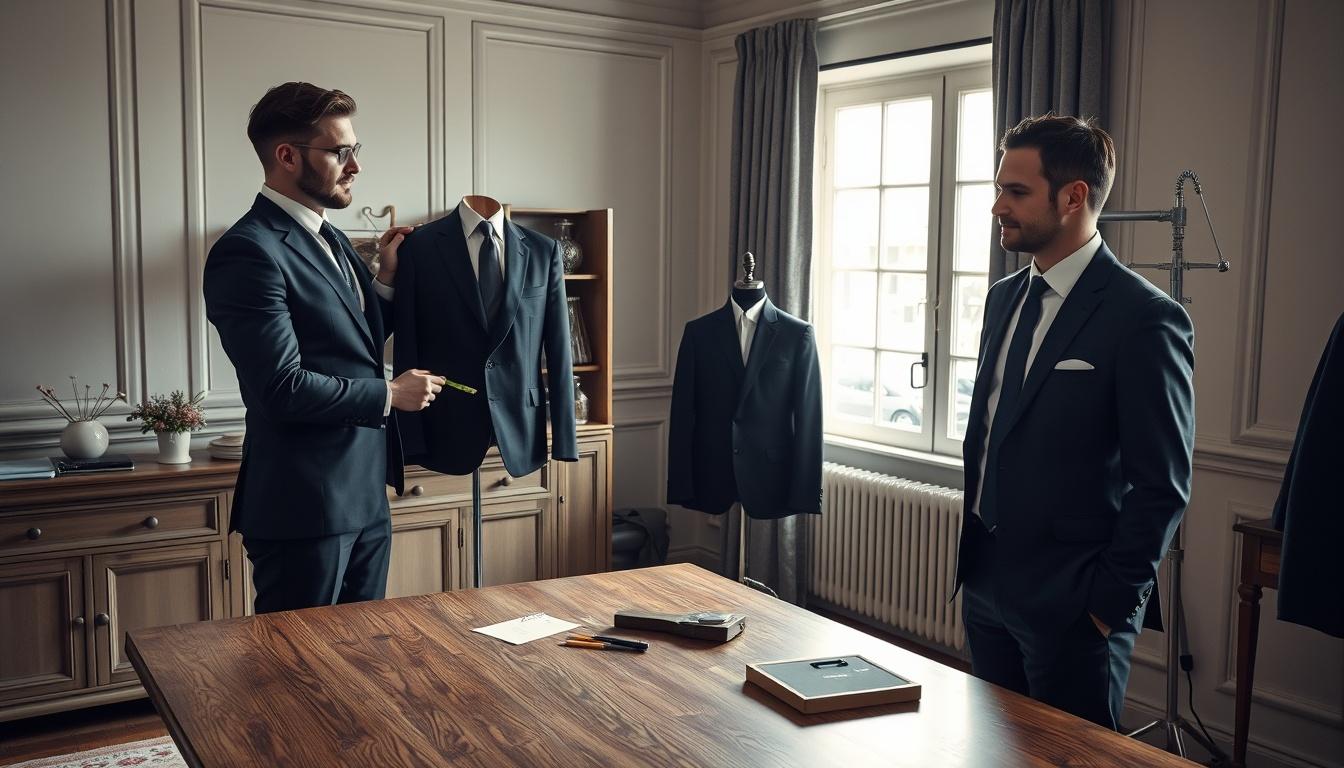
A proper fitting process usually includes an initial appointment, a review of the garment structure, a first fitting, and then a final fitting after approved tailoring. Depending on the project, one or two fitting appointments may be needed to confirm the result.
Because formal garments vary widely in construction, the final quote is based on the inspection rather than a general estimate. Thread, lining, buttons, and other materials are matched when availability allows, and any additional work is only carried out after approval.